The Culture of Scent Has Been Shaped by Nature

The culture of scent has been shaped alongside nature.
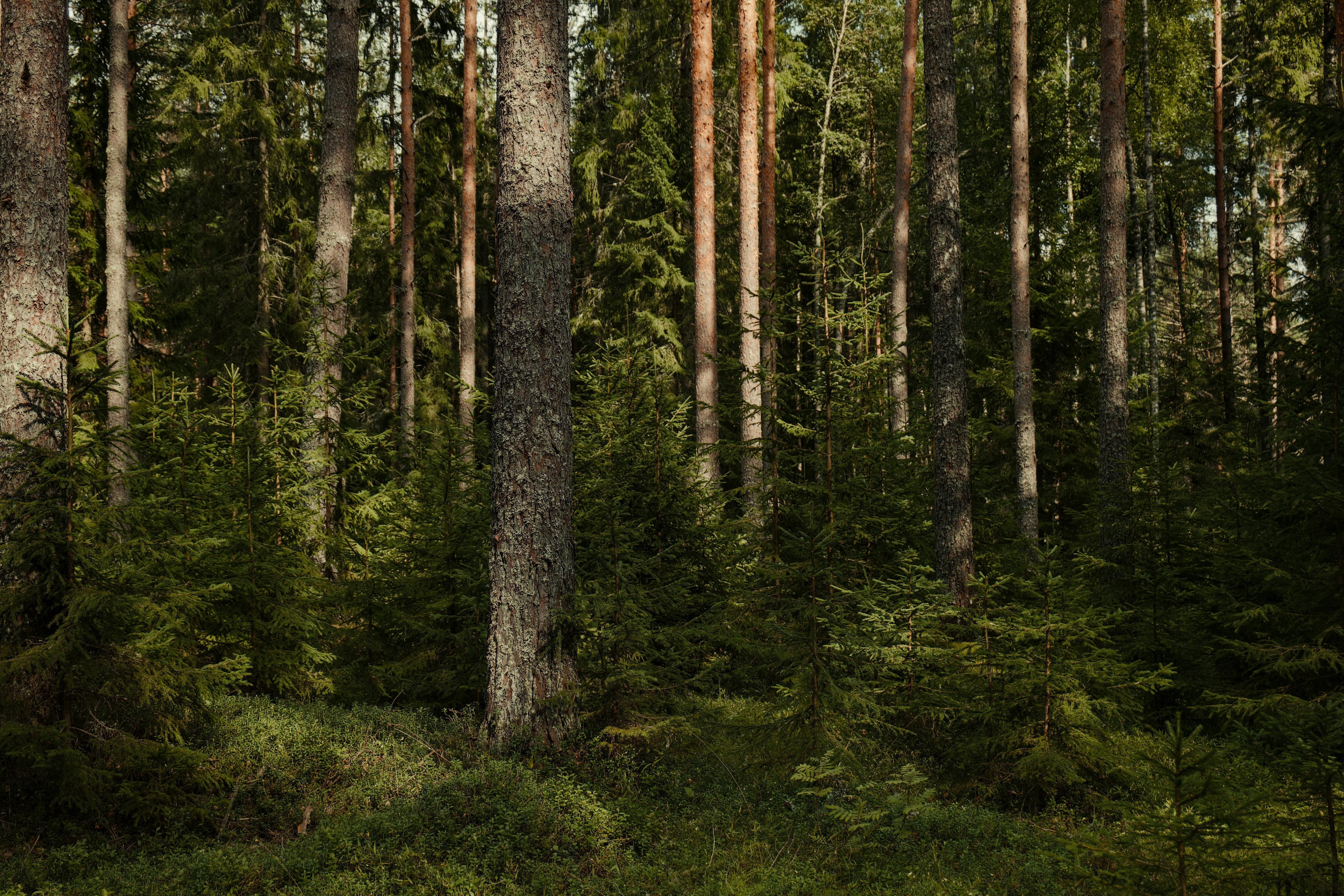
Aromatic woods and plants develop their fragrance over many years. They are more than materials; they are expressions of time itself.
Many of the scents we encounter in daily life exist because nature has quietly accumulated time.
We often think of time as something to use.
In a world that values efficiency and quick results, time is easily treated as something to consume.
Scent offers a different perspective.
It allows us to encounter, for only a moment, something that has taken years—or even decades—to come into being. That is one of the essential qualities of fragrance.
Aromatic woods such as agarwood and sandalwood slowly develop their character over decades, sometimes much longer.
Shaped by changing climates, seasons, and environments, their fragrance emerges gradually over time.
Yet we experience that accumulated time in only a few moments.
As the smoke rises and gently fills a space, years of quiet transformation reveal themselves for an instant.

In Japan, the culture of scent has also evolved through a close relationship with nature.
The fragrance of wood, the scent of earth after rain, and the subtle shifts that accompany each season have long shaped our sensitivity to scent.
This awareness forms the foundation of Japanese perfumery.
Rather than asserting itself, fragrance is designed to exist in harmony with a space and with the person experiencing it.
This quiet presence is one of the defining characteristics of Japanese scent culture.
Burning incense is, in a sense, an invitation to share in a small part of nature.
For that reason, it is something to be approached with care and intention rather than consumed without thought.
Scent gently narrows the distance between ourselves and the natural world.
It also creates a moment to turn our attention inward.
In a life often directed outward by busyness and distraction, fragrance offers a quiet path back to ourselves.
It is one of the gentlest ways to rediscover what we may have forgotten to notice.